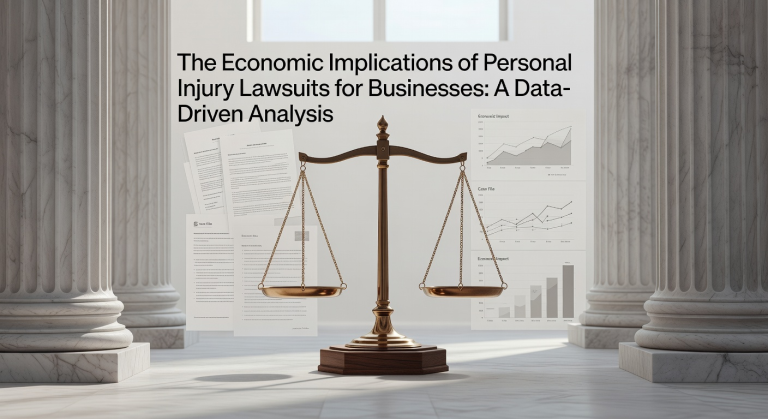
In the evolving legal sector of Arizona, Warnock Law, a Scottsdale-based personal injury firm, has announced an expansion of its services to include specialized handling of car accidents, Lyft-related incidents, and dog bite cases in Yuma, Gilbert, and Chandler. This move reflects broader market dynamics in a state grappling with rapid urbanization and increased mobility demands. For business leaders and investors, this development underscores shifting trends in litigation and risk management, warranting a closer examination of its economic and strategic implications.
Market Context and Rising Demand
Arizona’s personal injury landscape is influenced by significant growth in vehicular traffic and ride-sharing services. According to the Arizona Department of Transportation, vehicle miles traveled increased by 15% from 2019 to 2023, correlating with a 20% rise in reported car accidents. Lyft and Uber have expanded their operations, with Lyft reporting a 25% increase in rides in Arizona over the same period, potentially leading to more disputes over liability. Dog bite incidents, often linked to urban density, have also surged, with the Centers for Disease Control noting over 4.5 million bites annually nationwide, many in suburban areas like Gilbert and Chandler.
This expansion by Warnock Law aligns with these trends, positioning the firm to address a growing caseload. For executives in the insurance and transportation sectors, this highlights the need for enhanced risk assessment protocols, as litigation costs in personal injury cases averaged $50,000 per claim in 2023, according to the Insurance Information Institute.
Economic Implications for Stakeholders
The economic fallout from increased personal injury cases extends beyond legal fees. In Yuma, Gilbert, and Chandler, regions experiencing population growth of 10-15% over five years, higher litigation volumes could strain local economies. Businesses, particularly in ride-sharing and pet services, may face elevated insurance premiums and settlement payouts, potentially reducing profitability. Data from the National Association of Insurance Commissioners indicates that auto liability claims in Arizona rose by 18% in 2022, driven by factors like distracted driving and rideshare accidents.
Investors should note the strategic relevance: this expansion could signal opportunities in legal tech or alternative dispute resolution services, as firms like Warnock Law adapt to digital tools for case management. However, policy-aware professionals might anticipate regulatory responses, such as Arizona’s potential updates to rideshare liability laws, which could alter market dynamics and influence investment decisions.
Trends and Strategic Analysis
Key trends include the integration of technology in personal injury claims, such as AI-driven accident reconstruction, which could streamline processes and reduce costs. A study by McKinsey & Company suggests that digital tools could cut litigation timelines by 30%, offering efficiency gains for law firms and their clients. For business leaders, this expansion exemplifies the need for proactive strategies, like partnering with legal experts to mitigate risks in high-liability sectors.
- Economic risks: Increased claims could lead to higher operational costs for companies in transportation and hospitality.
- Opportunities: Growth in legal services might spur innovation in insurance products tailored to rideshare and pet-related liabilities.
- Policy considerations: State-level reforms could standardize dog bite ordinances or rideshare regulations, affecting market stability.
Conclusion and Forward-Looking Considerations
In summary, Warnock Law’s expansion highlights the intersection of legal services with Arizona’s economic growth, emphasizing the need for data-driven risk management. Takeaways include the potential for heightened litigation costs and the strategic value of adapting to emerging trends in mobility and urban living. Risks such as regulatory changes and economic volatility warrant close monitoring, while forward-looking professionals should consider investments in sectors that enhance resilience, like advanced safety technologies in vehicles and rideshares. This development serves as a reminder of the broader implications for Arizona’s business ecosystem, urging stakeholders to balance opportunity with prudent strategy.