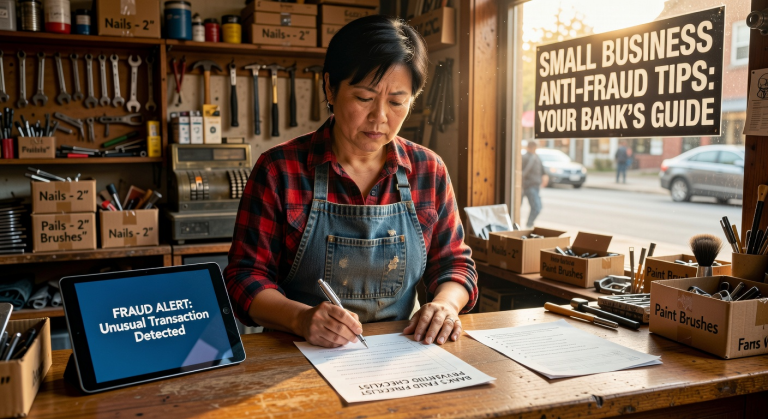
As real estate professionals, homeowners, and prospective buyers or sellers navigate the complexities of the housing market, staying vigilant against scams is crucial. Recently, sheriff’s offices have issued warnings about phone scams that cleverly intertwine jury duty obligations with real estate transactions. This blog post explores these threats, provides practical guidance, and offers insights to safeguard your property investments and decision-making processes.
Understanding the Scams and Their Real Estate Connections
Phone scams involving jury duty often start with a caller posing as a law enforcement official, claiming you owe fines for missing jury service. What makes these scams particularly alarming for real estate audiences is their potential link to property matters. Scammers may falsely associate these fines with real estate companies or use them as a pretext to extract personal information, such as your address, bank details, or property records. For homeowners, this could lead to identity theft affecting property titles, while real estate professionals might face risks to client data during transactions.
In the current real estate market, where property values fluctuate and decision-making is key, these scams can erode trust. For instance, a prospective home buyer might be tricked into paying a ‘clearance fee’ for a property, mistakenly believing it’s tied to jury duty verification. This not only jeopardizes financial security but also delays the home buying journey, impacting market awareness and timely decisions.
Why Real Estate Professionals and Homeowners Are at Risk
Real estate transactions involve sensitive information, making professionals like agents and brokers prime targets. Scammers exploit the high-stakes nature of buying or selling homes, where emotions and finances run high. Homeowners might receive calls demanding immediate payment to ‘avoid liens on their property,’ directly threatening property value. According to recent market insights, with rising home prices and increased online listings, cybercriminals are adapting their tactics to target residential real estate more frequently.
To maintain market awareness, it’s essential to recognize red flags. Common signs include unsolicited calls requesting personal or financial details, threats of legal action, or requests for gift cards or wire transfers. For prospective sellers, these scams could complicate the selling process, while buyers might encounter fraudulent listings disguised as legitimate real estate company offers.
Practical Guidance to Stay Safe
Protecting yourself starts with education and proactive steps. Here are some key tips to incorporate into your real estate routine:
- Verify the Caller: Always confirm the identity of the caller by contacting the official agency directly using a known phone number, not one provided by the caller.
- Never Share Sensitive Information: Legitimate organizations won’t demand immediate payments or personal details over the phone. If in doubt, hang up and consult a trusted real estate advisor.
- Educate Your Network: Real estate professionals should inform clients about these risks, especially during the home buying or selling journey, to foster informed decision-making.
- Report Suspicious Activity: Contact your local sheriff’s office or the FTC immediately if you suspect a scam, helping to protect the broader community and maintain market integrity.
By integrating these practices, you can enhance your property’s security and focus on positive aspects like assessing market trends and maximizing property value.
Conclusion: Taking Informed Steps Forward
In the dynamic world of real estate, awareness is your best defense against scams like those involving jury duty. By understanding the connections between these frauds and your home buying or selling goals, you can make more secure decisions and protect your investments. Remember, a trustworthy real estate journey involves staying informed, verifying information, and seeking professional advice when needed. For more resources, visit reputable sites like the National Association of Realtors or your local sheriff’s office website. Stay vigilant, and ensure your path to homeownership remains smooth and scam-free.