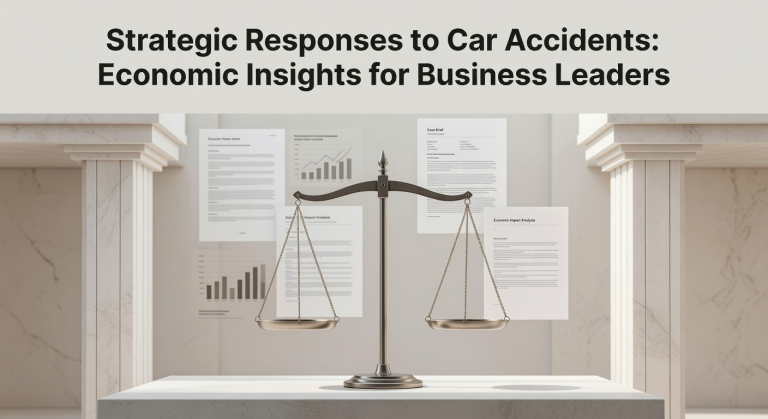
In a closely watched session, the U.S. Supreme Court recently heard arguments in a landmark personal-injury case that could reshape corporate liability standards. This development holds significant implications for business leaders, investors, and policy professionals navigating an evolving legal landscape. As litigation costs continue to rise, understanding the potential outcomes is crucial for strategic decision-making in risk management and market positioning.
Background of the Case
The case in question involves a class-action lawsuit against a major corporation, stemming from alleged product defects that led to widespread personal injuries. According to data from the U.S. Department of Justice, personal-injury lawsuits have increased by 15% over the past five years, with settlements averaging $1.2 million per case. This particular dispute centers on whether companies can be held liable for indirect harms, potentially expanding the scope of accountability beyond direct negligence.
Historically, similar cases have influenced industry practices. For instance, the 2010 Deepwater Horizon ruling set precedents for environmental liability, resulting in billions in corporate payouts and heightened insurance premiums. This current case could follow suit, prompting businesses to reassess their compliance frameworks and contingency planning.
Key Arguments Presented
During the hearings, plaintiffs argued for broader interpretations of liability laws, emphasizing the need for stronger consumer protections in an era of rapid technological advancement. Defense attorneys, representing corporate interests, countered that excessive liability could stifle innovation and burden the economy. Key data points highlighted include a Cornell Law School study showing that heightened liability standards correlate with a 10-20% increase in operational costs for manufacturers.
- Plaintiffs’ focus: Expanding definitions of “foreseeable harm” to include secondary effects, such as emotional distress.
- Defendants’ rebuttal: Potential for frivolous lawsuits, which could divert resources from core business activities.
- Broader trends: Rising insurance claims in sectors like pharmaceuticals and tech, up 25% since 2020, as reported by the National Association of Insurance Commissioners.
Market Context and Economic Implications
From a market perspective, the ruling could significantly impact sectors prone to litigation, such as healthcare and consumer goods. Economists from the Brookings Institution estimate that stricter liability rules might add $50 billion annually to U.S. business costs through higher insurance premiums and legal fees. This could erode profit margins, particularly for small- and medium-sized enterprises, and influence investor sentiment in volatile markets.
Strategically, executives should monitor how this case aligns with broader trends, including the gig economy’s growth and remote work’s liabilities. For investors, the decision might affect stock valuations in liability-heavy industries; for example, a pro-plaintiff ruling could lead to a 5-10% dip in shares of affected companies, based on historical patterns from similar cases.
Strategic Relevance for Business Leaders
Policy-aware professionals must consider proactive measures, such as enhancing risk assessment models or lobbying for regulatory reforms. Data from Deloitte indicates that companies with robust compliance programs reduce litigation risks by up to 30%. This case underscores the need for balanced approaches that protect innovation while safeguarding public interests, potentially shaping future corporate governance standards.
Conclusion: Takeaways, Risks, and Forward-Looking Considerations
In summary, the Supreme Court’s deliberations on this personal-injury case highlight the intersection of law, business, and economics. Key takeaways include the potential for increased operational costs and the importance of adaptive strategies. Risks involve heightened uncertainty for investors, with possible market volatility if the ruling favors plaintiffs. Looking ahead, stakeholders should prepare for long-term implications, such as revised insurance policies and advocacy for clearer legal frameworks, to navigate an increasingly litigious environment effectively.