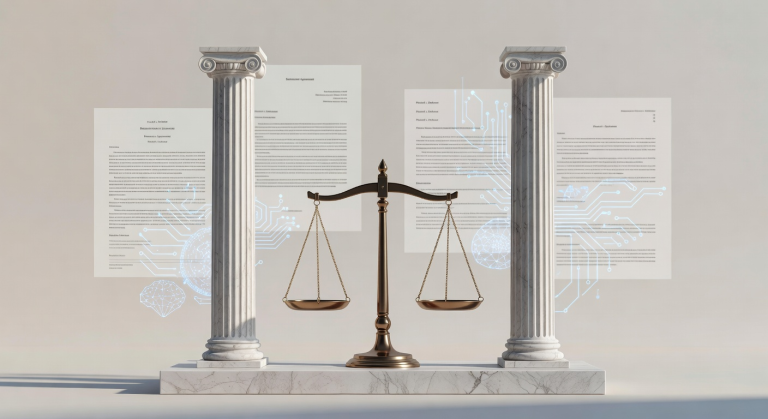
In an era where artificial intelligence is increasingly integrated into professional environments, the concept of human-AI collaboration in leadership roles is gaining traction. This approach combines human intuition and creativity with AI’s analytical prowess, potentially transforming decision-making processes by 2026. For technologists, business leaders, and decision-makers, understanding this synergy is crucial for effective AI adoption.
The Rise of Human-AI Leadership
Human-AI leadership involves leveraging AI tools to augment human capabilities rather than replace them. This model emphasizes a partnership where AI handles data-intensive tasks, such as predictive analytics and pattern recognition, while humans provide ethical oversight and contextual understanding. According to recent industry reports, organizations adopting this approach have seen improved efficiency in strategic planning.
Practical Use Cases
Real-world applications of human-AI leadership are already emerging across sectors. In healthcare, AI algorithms assist doctors in diagnosing diseases by analyzing medical images faster than humans alone, enabling quicker interventions. In business, AI-driven tools help executives forecast market trends, allowing for more informed decisions during economic uncertainty.
- Data-Driven Decision-Making: AI processes vast datasets to identify trends, which human leaders can then interpret for strategic actions.
- Enhanced Creativity: Tools like generative AI aid in brainstorming, providing ideas that humans refine into innovative solutions.
- Operational Efficiency: In supply chain management, AI optimizes logistics, reducing costs while humans manage unforeseen disruptions.
AI Model Capabilities
Current AI models, such as large language models and machine learning algorithms, excel in processing and analyzing large volumes of data with high accuracy. For instance, they can simulate scenarios to predict outcomes, offering leaders valuable insights. However, these capabilities are most effective when integrated with human expertise, ensuring that AI outputs align with organizational goals and ethical standards.
Limitations and Risks
Despite their strengths, AI models have notable limitations. They often struggle with nuanced understanding, such as interpreting human emotions or handling ambiguous situations, which can lead to errors in judgment. Risks include algorithmic bias, where training data perpetuates inequalities, and cybersecurity threats that could compromise sensitive decision-making processes. Additionally, over-reliance on AI might erode human skills, posing long-term challenges for workforce development.
- Bias and Fairness: AI systems may amplify existing prejudices if not carefully monitored.
- Data Privacy: Handling confidential information requires robust safeguards to prevent breaches.
- Ethical Concerns: Decisions influenced by AI must be transparent to maintain accountability.
Real-World Impact
The impact of human-AI leadership is evident in organizations like those in the tech industry, where companies have reported a 20-30% increase in productivity through AI-assisted strategies. For example, in finance, AI helps detect fraudulent activities, allowing human leaders to focus on client relationships. This collaboration not only boosts efficiency but also fosters innovation, though it requires ongoing training to mitigate skill gaps among employees.
Conclusion
In summary, human-AI leadership offers a balanced approach to navigating complex challenges by 2026, with implications for enhanced decision-making and innovation. However, trade-offs such as potential job displacement and ethical dilemmas must be addressed. Decision-makers should prioritize investing in AI ethics training and hybrid workflows as next steps, ensuring that adoption is responsible and aligned with long-term organizational goals. By doing so, stakeholders can harness AI’s potential while safeguarding human elements in leadership.