Introduction
In the rapidly evolving world of artificial intelligence, machines excel at processing vast amounts of data and identifying patterns with remarkable speed. However, as technologists, business leaders, and decision-makers weigh AI adoption, it’s clear that human judgment provides a critical edge that AI cannot replicate. This blog post explores the unique role of human judgment, examining AI’s capabilities, limitations, and real-world implications to guide informed decisions.
Understanding AI Capabilities
AI models, such as large language models and neural networks, are designed for specific tasks like predictive analytics, image recognition, and automation. For instance, in healthcare, AI can analyze medical images to detect anomalies faster than humans. These capabilities stem from machine learning algorithms that learn from data, enabling applications in fields like finance for fraud detection or manufacturing for predictive maintenance. Yet, AI’s strength lies in computation, not comprehension.
The Role of Human Judgment
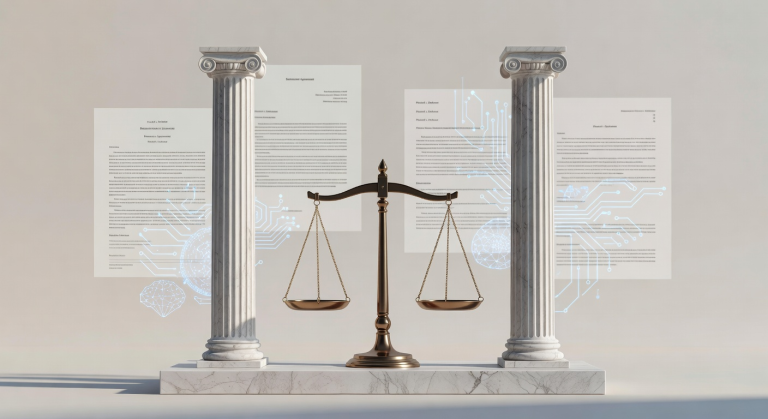
Human judgment involves nuanced evaluation, ethical reasoning, and contextual understanding—elements AI lacks. While AI processes data objectively, it doesn’t possess intuition or the ability to weigh moral implications. For example, in legal decisions, AI might recommend outcomes based on historical data, but humans must interpret these with empathy and societal context. This distinction ensures that AI serves as a tool, not a replacement, for human oversight.
Practical Use Cases
Consider real-world scenarios where human judgment complements AI:
- Business Strategy: AI can forecast market trends, but executives use judgment to assess risks and align with company values.
- Healthcare Diagnostics: AI aids in identifying potential diseases from scans, yet doctors apply judgment to consider patient history and emotional factors.
- Autonomous Vehicles: AI handles driving mechanics, but human oversight is crucial for ethical dilemmas, like prioritizing passenger safety over pedestrians.
These cases highlight how integrating human judgment enhances AI’s effectiveness, leading to safer and more reliable outcomes.
Limitations and Risks of AI
Despite advancements, AI has inherent limitations, including biases from training data, which can lead to discriminatory results. For instance, facial recognition systems have shown higher error rates for certain demographic groups, underscoring the need for human intervention. Risks also include over-reliance on AI, potentially causing errors in high-stakes environments, such as financial trading where market volatility demands human adaptability. Additionally, AI’s lack of explainability—often termed the ‘black box’ problem—makes it difficult to audit decisions, amplifying accountability issues.
Real-World Impact
The interplay between AI and human judgment affects AI adoption profoundly. In organizations, this means designing systems with human-in-the-loop processes to mitigate risks and ensure ethical compliance. For decision-makers, the real-world impact includes improved innovation, as seen in tech companies that combine AI with human creativity for product development. However, ignoring these dynamics can result in costly failures, such as the 2018 AI hiring tool scandal at Amazon, where biased algorithms were scrapped due to human oversight deficiencies.
Conclusion
In summary, while AI offers powerful capabilities for efficiency and scalability, its limitations in judgment necessitate a balanced approach. Decision-makers must weigh the trade-offs: AI’s speed against potential ethical risks and the need for human insight. Next steps include investing in hybrid models that prioritize transparency, ongoing training for AI users, and regulatory frameworks to guide adoption. By embracing this collaboration, technologists and leaders can harness AI’s potential responsibly, ensuring it augments rather than undermines human expertise.