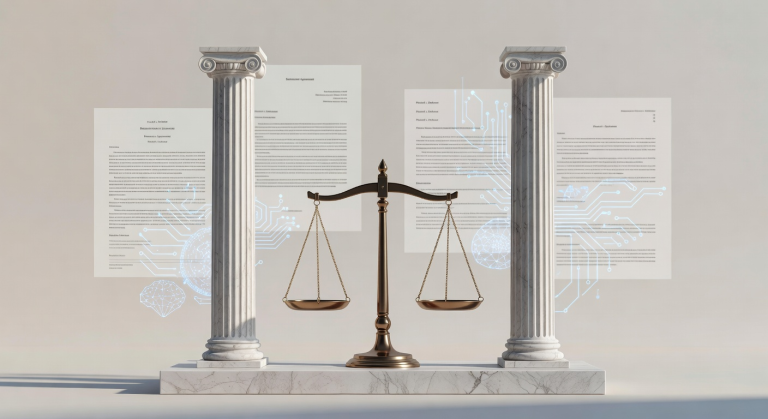
In recent years, applications to law schools have seen a notable increase, even as artificial intelligence (AI) begins to reshape the legal profession. For technologists, business leaders, and decision-makers in AI adoption, this trend highlights the complex interplay between traditional career paths and emerging technologies. This post explores the surge in law school interest, AI’s role in legal practices, and the implications for the future workforce.
The Surge in Law School Applications
Recent data indicates a rise in law school enrollments, driven by factors such as perceived job stability, intellectual challenge, and societal demand for legal expertise. According to reports from the Law School Admission Council, applications have increased by over 10% in the past year alone. This growth occurs amid economic uncertainty, where law degrees are seen as a reliable path to professional success. However, for AI-focused professionals, this enthusiasm must be tempered by the evolving capabilities of AI in automating routine legal tasks.
How AI is Transforming the Legal Industry
AI technologies, such as natural language processing and machine learning models, are increasingly applied in legal settings. Practical use cases include contract analysis, where tools like eDiscovery software can review documents faster than humans, and predictive analytics for case outcomes. For instance, platforms like IBM Watson or Harvey AI assist in legal research by sifting through vast databases to identify relevant precedents.
Capabilities, Limitations, and Risks of AI in Law
AI’s capabilities in the legal field are impressive but not without boundaries. Models excel in pattern recognition and data processing, enabling efficiencies in tasks like due diligence or regulatory compliance. However, limitations include the potential for bias in training data, which could lead to inaccurate recommendations, and the inability to handle nuanced ethical dilemmas that require human judgment.
- Capabilities: AI can process millions of documents in hours, reducing costs and speeding up litigation.
- Limitations: Current models struggle with context-dependent interpretations, such as cultural or emotional nuances in contracts.
- Risks: There’s a real threat of job displacement for entry-level roles, as AI automates repetitive tasks. Additionally, data privacy risks arise when sensitive legal information is fed into AI systems, potentially leading to breaches or misuse.
Real-world impact is evident in firms like Allen & Overy, which have adopted AI to handle routine queries, allowing lawyers to focus on complex strategies. Yet, this shift raises concerns about the return on investment for law degrees, as AI could reduce demand for traditional paralegal positions.
Implications and Real-World Impact
For decision-makers evaluating AI adoption, the integration of these technologies in law firms demonstrates both opportunities and challenges. On one hand, AI enhances productivity and accessibility to justice; on the other, it poses risks to employment stability. A study by McKinsey highlights that up to 23% of lawyer tasks could be automated, affecting career trajectories for new graduates.
Conclusion: Weighing Trade-Offs and Next Steps
In summary, the surge in law school interest reflects enduring appeal for legal careers, but AI introduces significant uncertainties regarding job security and ROI. For technologists and business leaders, this underscores the need for balanced AI adoption strategies that prioritize ethical AI development and workforce reskilling. Decision-makers should assess these trade-offs by investing in hybrid models that combine AI with human expertise. Next steps include exploring AI tools through pilots and staying informed on regulatory changes, ensuring that innovation serves rather than supplants the legal profession.